
Introduction to Soft Amish White Bread
If you've ever craved that nostalgic, freshly-baked flavor of homemade bread, soft Amish white bread is about to become your go-to recipe. This delightful bread, with its tender crumb and slightly sweet flavor, makes every meal feel special. Perfect for sandwiches, toast, or simply enjoying with a pat of butter, it’s a bread that fits seamlessly into any mealtime.
What makes soft Amish white bread a game changer? For starters, its simplicity. With basic ingredients and straightforward method, it’s ideal for novice bakers yet rewarding enough for seasoned pros. According to a study by the American Bakers Association, homemade bread is not just a trend but a significant part of our cultural comfort food tradition. Making bread from scratch not only fills your home with incredible scents but also gives you a sense of accomplishment. Plus, it’s a fantastic way to impress friends and family at gatherings.
Let’s not forget the health benefits! By making your own bread, you can control the ingredients, ensuring there are no unnecessary additives. So, whether you’re celebrating a special occasion or simply enjoying a cozy night in, soft Amish white bread will elevate your culinary experience. Ready to get started? Let’s dive into the recipe!
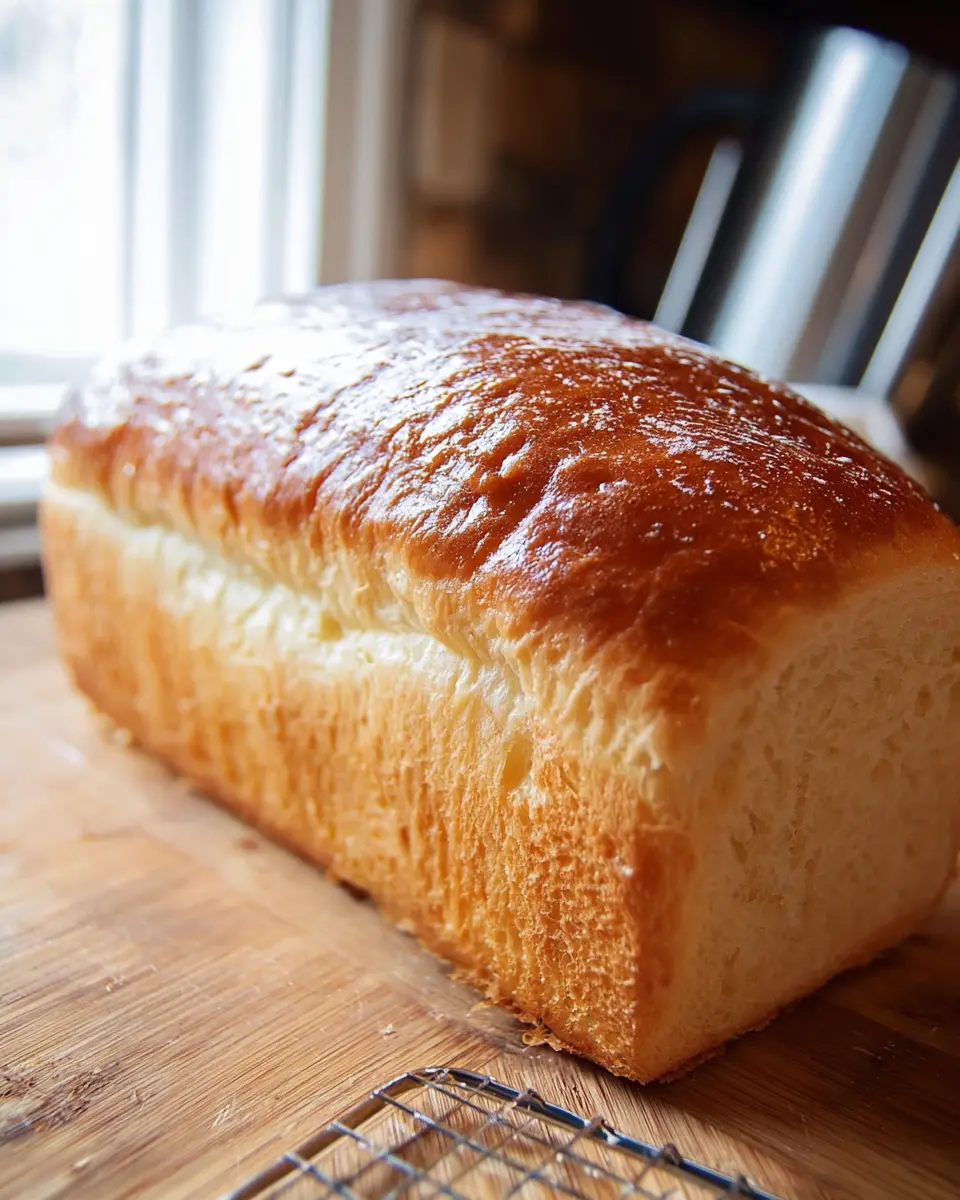
Ingredients for Soft Amish White Bread
Essential ingredients for the perfect loaf
To whip up a delightful Soft Amish White Bread, you’ll need a few essential ingredients that come together beautifully. Here’s your shopping list:
- Lukewarm water: Activates the yeast for that perfect rise.
- Active dry yeast: Gives the bread its light and fluffy texture.
- Sugar: Enhances flavor and encourages yeast activity.
- Egg: Adds richness and helps with structure.
- Flavorless oil: I prefer avocado oil, but any neutral oil works well.
- Bread flour: Provides a chewy texture, though all-purpose flour is a good substitute.
- Fine sea salt: Balances the flavors in your dough.
Alternative options for the ingredients
If you're looking to swap or omit any of these ingredients, consider these alternatives:
- Honey or maple syrup can substitute the sugar for a natural sweetness.
- Egg replacers like flaxseed meal can be used for a vegan option.
- If you're out of bread flour, all-purpose flour works just fine but may yield a slightly denser loaf.
Remember, experimentation is key, so feel free to make this bread your own! If you’re curious about more ingredient substitutions, you can check out The Kitchn for great tips. Happy baking!
Preparing Soft Amish White Bread
Baking soft Amish white bread is not just a delightful culinary project; it’s a way to fill your home with warm, inviting aromas and create something truly special for yourself and loved ones. Whether you're an experienced baker or trying your hand at bread-making for the first time, follow these simple steps to achieve bakery-quality results right from your kitchen.
Activate the yeast
Begin by waking up your yeast to ensure it will work its magic. In a large mixing bowl, combine 1 cup of lukewarm water with 1 package of active dry yeast. Stir gently, allowing the yeast to dissolve, and let it sit for about 5 to 15 minutes. You should see a layer of foam forming on top — that’s a good sign your yeast is active and ready to rise!
Combine ingredients in a bowl
Once your yeast is frothy, it’s time to incorporate 3 tablespoons of sugar and mix well. Follow this with 2 tablespoons of flavorless oil (like avocado oil) and 1 egg. Using a fork, beat the egg into the mixture gently. Next, add 3 ½ cups of bread flour and 1 teaspoon of fine sea salt. Stir everything together until it begins to combine; then switch to your hands for the next step.
Knead the dough to perfection
Transfer your dough to a lightly floured countertop, and sprinkle a little more flour on top. Knead the dough for about 10 to 15 minutes until it becomes smooth and elastic. This crucial step is what gives the bread its lovely texture. You want it to be stretchy enough that you can almost see light through it. Remember, practice makes perfect, so don’t worry if it doesn’t feel quite right the first time!
Shape and rise the dough
After kneading, let your dough rest for a few minutes before shaping it. Roll it into a rectangle the width of your loaf pan, and then roll it up like a sausage, pinching the seam closed. Place it seam-side down in a greased loaf pan and cover it with a damp towel or leave it uncovered. Allow it to rise until it’s about 1 to 1.5 inches above the rim of the pan, which usually takes around 45 minutes to an hour.
Bake the bread to golden perfection
Now, let’s get baked! Preheat your oven to 400°F (200°C) about 15-20 minutes before the dough is done rising. Bake your bread on the center rack for 25-30 minutes. Keep an eye on it; if it starts to brown too quickly, tent it with foil. Your bread is ready when it registers 190°F (88°C) in the center. Once baked, allow it to cool for a few minutes in the pan before brushing the top with butter for that extra touch of softness.
By following these steps, you'll create a beautiful loaf of soft Amish white bread that’s perfect for sandwiches, toasts, or just enjoying on its own. Enjoy your baking adventure and savor every slice! For more tips on bread varieties, check out King Arthur Baking.
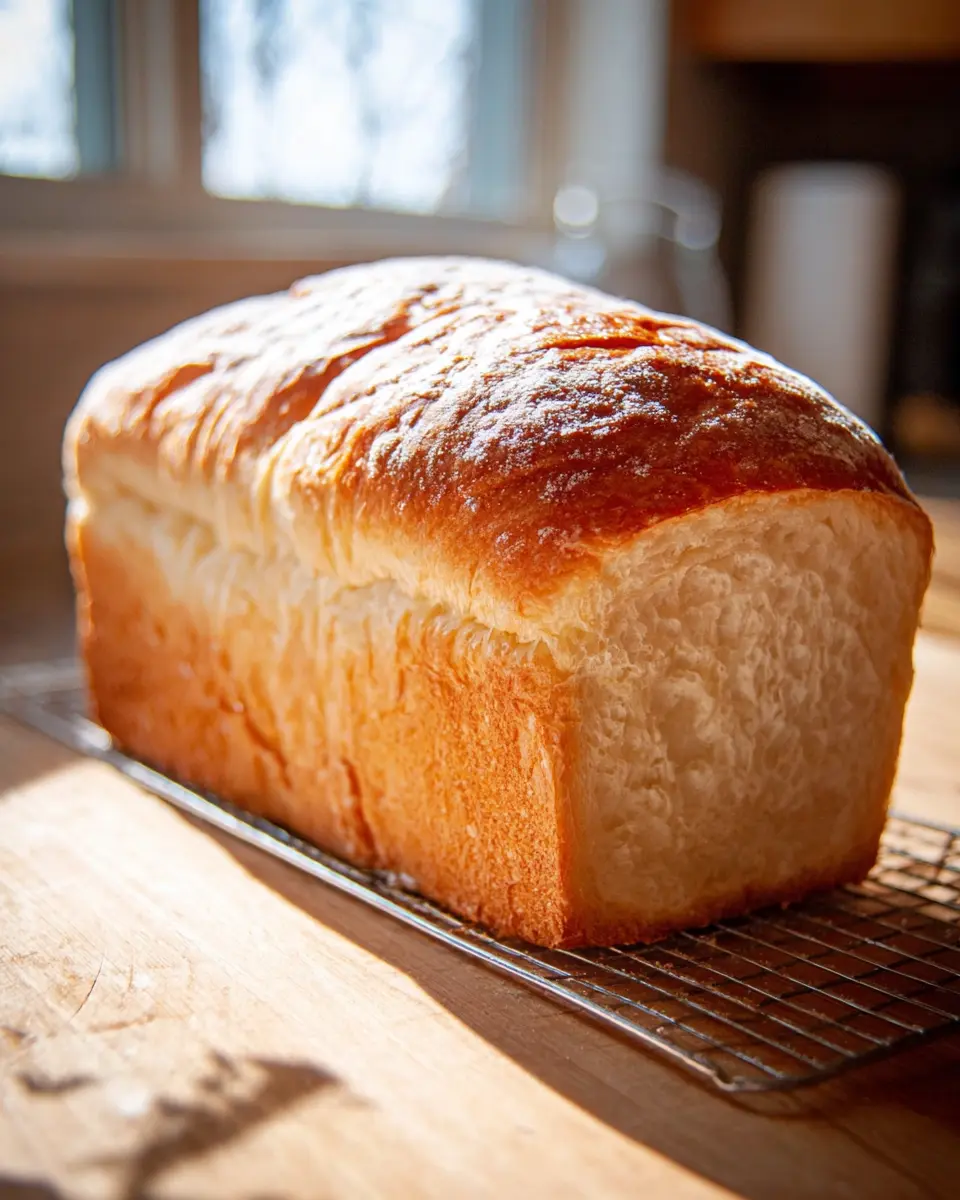
Variations on Soft Amish White Bread
Adding herbs and spices for flavor
Elevate your soft Amish white bread by incorporating herbs or spices. Picture a loaf infused with rosemary or thyme—perfect for serving alongside a hearty soup. Just add a teaspoon or two of your favorite dried herbs (or one tablespoon of fresh!) when mixing in the flour. For a hint of warmth, consider a sprinkle of cinnamon or nutmeg. The aroma while baking will be irresistible, drawing everyone to the kitchen.
Sweetening the dough with honey or sugar
If you prefer a subtly sweet flavor, try replacing sugar with honey in your soft Amish white bread. Use about 2 tablespoons for a delightful sweetness. Honey not only enhances the flavor but also contributes to a moist texture. If you want to experiment further, add a touch of brown sugar for a deeper flavor profile. A sweet twist could make your sandwiches even more delicious!
For more ideas on flavor variations, check out King Arthur Baking.
Cooking Tips and Notes for Soft Amish White Bread
Tips for Perfect Kneading and Rising
Achieving the best Soft Amish White Bread begins with proper kneading and rising. When kneading, ensure your dough is smooth and elastic; this usually takes about 10-15 minutes. If it’s too tacky, sprinkle flour sparsely—not more than ⅓ cup—to avoid a dry loaf. Let it rise in a warm area until it doubles in size. If you’re in a cool environment, consider preheating your oven briefly and turning it off; this creates a cozy space for your dough.
Signs That Your Bread Is Baked Just Right
To know your Soft Amish White Bread is done, listen for a hollow sound when you tap the bottom. Additionally, use a thermometer; the internal temperature should reach 190°F for optimal texture. A golden-brown crust is also a great indicator of perfectly baked bread. Finally, allow the bread to cool before slicing—it helps retain its airy structure. Happy baking! For more tips, check out The Kitchn or King Arthur Baking for expert advice.
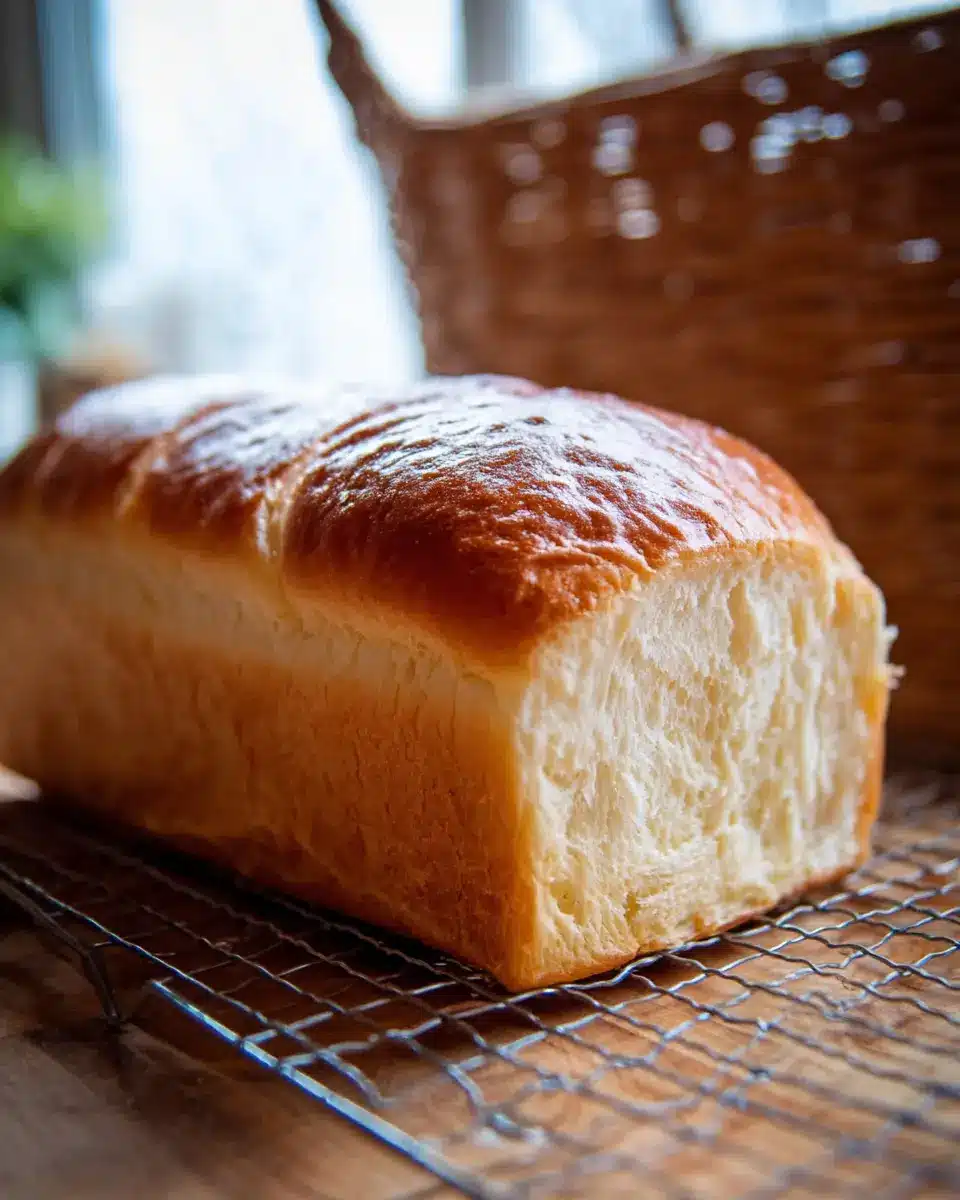
Serving suggestions for Soft Amish White Bread
Perfect pairings for sandwiches
There’s something truly special about Soft Amish White Bread when it comes to making sandwiches. It’s soft texture and lightly sweet flavor make it a fantastic base for almost any filling. Consider these delicious combinations:
- Turkey Bacon Club: Layer crispy turkey bacon, fresh lettuce, and ripe tomatoes for a classic twist.
- Chicken Ham and Cheese: Combine savory chicken ham with your favorite cheese for a hearty lunch.
- Avocado Toast: Top a slice with smashed avocado, a drizzle of olive oil, and a sprinkle of salt for a trendy snack.
Creative uses for leftover bread
Have extra slices of your beautiful Soft Amish White Bread? Don’t let it go to waste! Here are some fun and creative ideas to repurpose it:
- Bread Pudding: Transform stale bread into a warm dessert by making a simple bread pudding.
- Croutons: Cut leftover slices into cubes, toss with olive oil and seasoning, and bake for crunchy salad toppings.
- French Toast: Make a delicious breakfast by soaking the bread in a mix of eggs and milk – then, just fry!
With these serving suggestions, your Soft Amish White Bread can shine, proving it’s not just a loaf, but a versatile companion in your kitchen.
Time Breakdown for Soft Amish White Bread
When making Soft Amish White Bread, it's essential to plan your time wisely for the best results. Here's a quick overview of each phase involved in crafting this delightful loaf.
Preparation Time
Set aside about 15 minutes for preparation. This includes mixing your ingredients and kneading the dough just right for that chewy texture.
Rising Time
Give your dough about 1 hour to rise. Patience is key here! The dough should double in size, ready to be shaped into a loaf.
Baking Time
Finally, allocate around 25-30 minutes for baking. You’ll know it’s done when the bread has a lovely golden crust and sounds hollow when tapped.
By planning your time effectively, you can enjoy the wonderful experience of baking this Soft Amish White Bread from scratch. Happy baking!
Nutritional Facts for Soft Amish White Bread
When it comes to enjoying your homemade soft Amish white bread, knowing its nutritional profile adds to the appreciation! Here’s a quick breakdown to keep you informed on what’s in each slice:
Calories
With approximately 331 calories per serving, this soft bread is a balanced choice for a comforting meal. It’s filling without being overly indulgent, making it a great addition to your table.
Protein
Each slice packs around 9 grams of protein, which is essential for muscle repair and overall health. Pair it with your favorite spread or protein source for a nutritious boost!
Sodium
Coming in at about 295 milligrams of sodium, this bread is moderate in salt content. If you’re watching your sodium intake, enjoy it in moderation alongside fresh ingredients for a satisfying meal.
Feel free to explore more about bread nutrition here or check out helpful resources on healthy eating here. Enjoy every slice of your baking adventure!
FAQs about Soft Amish White Bread
Can I use all-purpose flour instead of bread flour?
Yes, you can use all-purpose flour in your Soft Amish White Bread recipe! While bread flour offers a higher protein content that helps create a chewier texture, all-purpose flour will still yield delicious results. Just be aware that the bread might be slightly less airy and fluffy, but it will still taste fantastic.
How should I store my homemade bread?
To keep your Soft Amish White Bread fresh, store it in an airtight container or a resealable plastic bag at room temperature. It’s best to consume it within a few days, but if you want to enjoy it longer, consider freezing it. Slice the bread first, then wrap it tightly in plastic wrap before placing it in a freezer-safe bag.
What's the best way to slice soft bread?
When slicing your soft bread, use a serrated knife for clean cuts without squishing the loaf. Start from one end and let the knife do the work to avoid mashing the bread. For an even presentation, consider toasting the slices lightly before serving!
Conclusion on Soft Amish White Bread
In summary, soft Amish white bread is a delightful addition to your kitchen repertoire. Its simple ingredients yield a deliciously fluffy loaf perfect for sandwiches or to enjoy with butter. Whether you’re an experienced baker or a newcomer, this recipe is sure to impress and satisfy your cravings.
Make sure to check out more great recipes and tips on homemade bread-making at King Arthur Baking, where you can explore a wealth of resources to help elevate your baking skills!
Soft Amish White Bread
Equipment
- Loaf Pan
- mixing bowl
- fork
- Damp towel or plastic wrap
Ingredients
- 1 cup lukewarm water (216 grams)
- 1 package active dry yeast (7 grams)
- 3 tablespoons sugar (50 grams)
- 1 medium egg
- 2 tablespoons flavorless oil (20 grams) I use avocado oil
- 3.5 cups bread flour (470 grams) all purpose will work
- 1 teaspoon fine sea salt (6 grams)
Instructions
- In a large bowl where you will be making your bread, add the water and yeast. Stir gently to combine and let it sit until you see some foam coming to the surface. This may take 5-15 minutes.
- Add the sugar and stir to combine. Add the oil and egg and use a fork to break the egg up.
- Add the flour and salt and stir to combine with a fork. Once it starts coming together, use your hands to work it into a shaggy ball.
- Drizzle over a teaspoon of oil and pat it evenly over the surface. Cover with a damp towel or plastic wrap and let it rise until doubled in size. Just watch the dough and be patient but about an hour should do it.
- After the dough doubles, sprinkle the counter with a couple of tablespoons of flour and transfer the dough to it by using closed fingers like a scoop to scrape it from the bowl.
- Dust the top with another tablespoon of flour and knead the dough, sprinkling the top and bottom with no more than ⅓ cup of flour until it is stretchy and you can see a bit of light through the dough when it's stretched–about 10 to 15 minutes of kneading.
- Let the dough rest five minutes then use your fingers to form it into a rectangle about as wide as your loaf pan. Roll it up like a sausage and pinch the seam closed. Place it seam side down in a greased and parchment paper lined loaf pan.
- Let the dough rise uncovered until it rises 1- 1 ½ inches above the rim of the pan. About 45 minutes to an hour.
- 15 to 20 minutes before the bread is finished rising, preheat the oven to 400.
- Bake the bread on the center rack in the middle of the oven for 25-30 minutes. Tent with foil for the last 10 minutes if your bread starts to get too dark. You can take the temperature of your bread–it should be about 190 in the center when it's done.
- Transfer to a rack to cool 5 minutes in the pan, then turn it out and brush the top with butter for a softer crust. (Optional)
- Let the bread cool before slicing for the best texture inside.




Leave a Reply