
Introduction to Mongolian Beef
Mongolian beef is a delightful dish that combines tender slices of beef with a savory and slightly sweet sauce, creating a meal that is loved by many. This scrumptious entrée is often found in Chinese-American restaurants and has become a favorite due to its rich flavors and satisfying textures. The key to its appeal lies in the expertly marinated beef, which, when stir-fried to perfection, boasts a tender yet crispy exterior.
What Makes Mongolian Beef a Favorite?
One of the secrets of Mongolian beef lies in its simplicity. The marinade and sauce are easy to whip up, yet they deliver an explosion of flavor that feels gourmet. The balance between the umami from soy sauce and the sweetness from brown sugar creates an addictive taste that pairs wonderfully with a bowl of steamed rice.
Moreover, this dish is highly customizable. If you enjoy a bit of spice, add some dried red chili peppers for a kick. For those looking to incorporate more vegetables, bell peppers or broccoli make excellent additions. With a relatively short cooking time and high satisfaction level, Mongolian beef is perfect for busy weeknights or impressing guests at dinner parties.
Are you ready to bring the flavors of this beloved dish into your own kitchen? Let’s dive into the recipe!
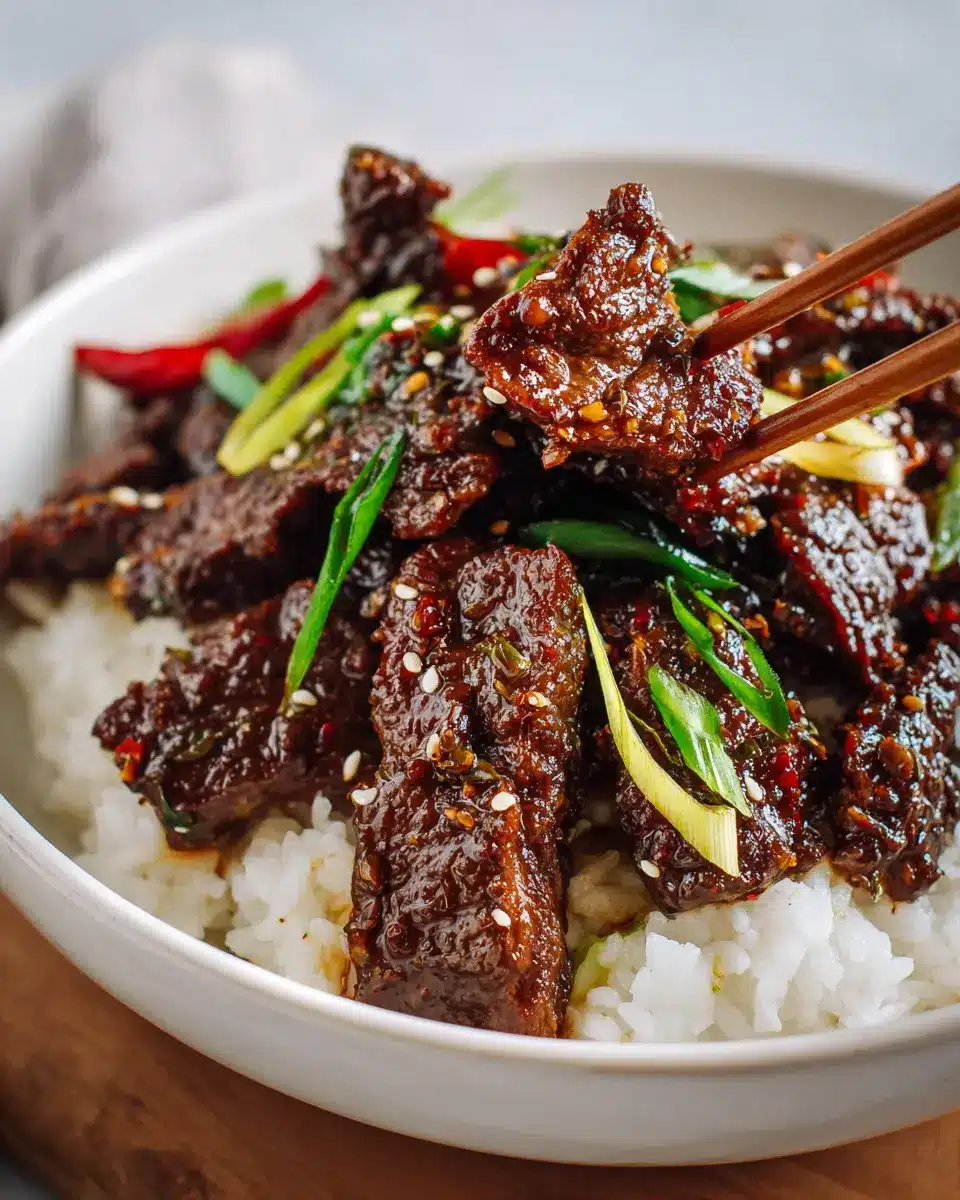
Ingredients for Mongolian Beef
Essential ingredients for the marinade
To ensure your Mongolian Beef bursts with flavor, you'll want to start with a solid marinade. Gather the following:
- 1 pound flank steak, sliced against the grain
- 2 teaspoons neutral oil (like vegetable or canola)
- 1 teaspoon soy sauce
- 1 tablespoon cornstarch
- 1 tablespoon water
- ¼ teaspoon baking soda
These ingredients help to tenderize the meat and infuse it with that essential umami flavor.
Ingredients for the sauce
Next up is the sauce that brings everything together. You'll need:
- ¼ cup light brown sugar
- ¾ cup hot water or low-sodium stock
- ¼ cup soy sauce
- 1 teaspoon dark soy sauce (optional for extra depth)
Mixing these will give you a sweet and savory base that complements the beef beautifully.
Coating and searing ingredients
To achieve that crispy exterior, gather:
- ½ cup cornstarch
- ⅔ cup neutral oil for frying
Coating the beef in cornstarch before searing is key to a perfect crunch!
Additional ingredients for flavor
For those final mouth-watering touches, you’ll need:
- 1 teaspoon minced ginger
- 8 dried red chili peppers (optional for heat)
- 3 cloves garlic, finely chopped
- 4 scallions (white and green parts separated)
These ingredients not only pack flavor but also add a vibrant color to your Mongolian Beef dish. Enjoy making it!
Preparing Mongolian Beef
Cooking Mongolian beef at home can be a delightful experience, especially if you enjoy Chinese cuisine. This dish is not only flavorful but also surprisingly easy to prepare with just a few key steps. Let’s break it down!
Marinate the beef
The first step is to marinate the flank steak. Combine the following ingredients in a mixing bowl:
- 2 teaspoons neutral oil
- 2 teaspoons Shaoxing wine (or a splash of dry cooking sherry)
- 1 teaspoon soy sauce
- 1 tablespoon cornstarch
- 1 tablespoon water
- ¼ teaspoon baking soda
Toss in the sliced beef and let it marinate for about an hour. This helps the beef absorb all those savory flavors, giving you a tender and juicy bite when cooked. If your beef looks a bit dry after marinating, add a splash more water.
Prepare the sauce
While the beef is marinating, it’s time to whip up the sauce. In a small bowl, mix together the following ingredients:
- ¼ cup light brown sugar
- ¾ cup hot water (or stock for an extra depth of flavor)
- ¼ cup soy sauce
- 1 teaspoon dark soy sauce (optional, but recommended for that rich color)
Make sure to dissolve the brown sugar completely before moving on to the next steps.
Coat the beef
Once your beef has finished marinating, it’s time to coat it. Take ½ cup of cornstarch and dredge each slice of beef until it's evenly coated. This coating not only adds texture but also helps create that crispy exterior that makes Mongolian beef so irresistible.
Sear the beef
Heat ⅔ cup of neutral oil in a wok over high heat. Just before it starts to smoke, carefully add the coated beef. Sear for about 1 minute on each side, until it’s golden and crispy. This quick cooking process is key to achieving that perfect sear. Once done, transfer the beef to a plate and set it aside.
Combine ingredients and finish cooking
Drain excess oil from the wok, leaving just a tablespoon. Reduce the heat to medium-high, then add minced ginger and optional dried chili peppers. Stir-fry for about 15 seconds, and then add finely chopped garlic and the white parts of the scallions. After about 15 more seconds, gradually pour in your pre-mixed sauce.
Let it simmer for a couple of minutes before stirring in the cornstarch slurry (1 ½ tablespoons mixed with 2 tablespoons water) to thicken the sauce. Finally, toss in the beef and green parts of the scallions, mixing everything together until the scallions are just wilted and the sauce clings to the beef.
Serve your homemade Mongolian beef over steamed rice for a satisfying meal. Enjoy the explosion of flavors that come together in this dish—your taste buds are in for a treat!
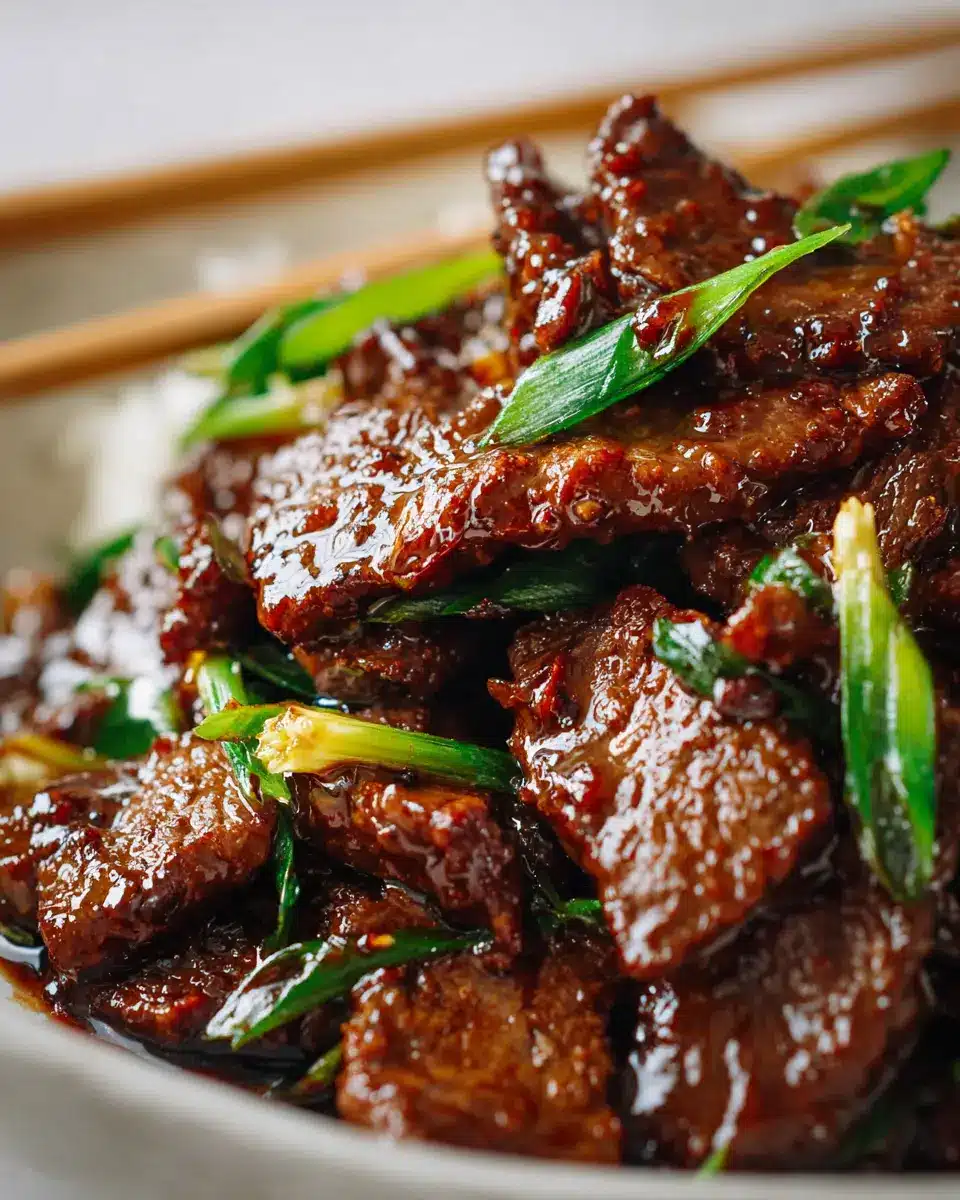
Variations on Mongolian Beef
Vegetarian Alternative Using Tofu
For a delightful vegetarian twist on Mongolian Beef, try substituting beef with firm tofu. Start by pressing the tofu to remove excess moisture, then slice it into bite-sized pieces. Marinate it in a similar mix of soy sauce, ginger, and cornstarch, just as you would with the beef. When frying, aim for that golden-brown color for added texture. Pairing it with steamed broccoli or bell peppers enhances the dish's flavor and color, making it an appealing meal that even carnivores will enjoy!
Asian-Influenced Twists with Different Meats
Don’t hesitate to get creative by swapping Mongolian Beef with other meats! Chicken, turkey, or even pork can work well. For a zesty kick, add some citrus zest or use a tangy marinade with lemongrass for chicken. Alternatively, try using turkey ham for a lower-calorie option that still delivers on taste. The key is to adjust cooking times according to the meat you choose to ensure everything is perfectly tender and flavorful. Each variation brings a unique flair to this classic dish, so feel free to experiment!
Cooking Tips for Mongolian Beef
Ensuring Proper Beef Tenderness
To achieve perfectly tender Mongolian beef, start by selecting high-quality flank steak, and slice it against the grain into ¼-inch thick pieces. Marinate the beef for at least an hour using cornstarch and baking soda. These ingredients not only enhance flavor but also help break down tough fibers for a melt-in-your-mouth texture. If you find the beef looks a bit dry after marinating, don't hesitate to add a touch of water—moisture is key!
Achieving the Perfect Sauce Consistency
For a rich, velvety sauce, dissolve the light brown sugar in hot water or low-sodium stock before adding your soy sauces. Let the sauce simmer for about two minutes to allow the flavors to meld. When you add the cornstarch slurry, do so gradually, stirring continuously to control the thickness. Your goal is a sauce that clings to the beef without being too watery. If it’s not thick enough, just give it a gentle boost in heat! This will elevate your dish to a restaurant-quality experience.
For more in-depth cooking techniques, check out reputable resources like Serious Eats or America's Test Kitchen to enhance your culinary skills!
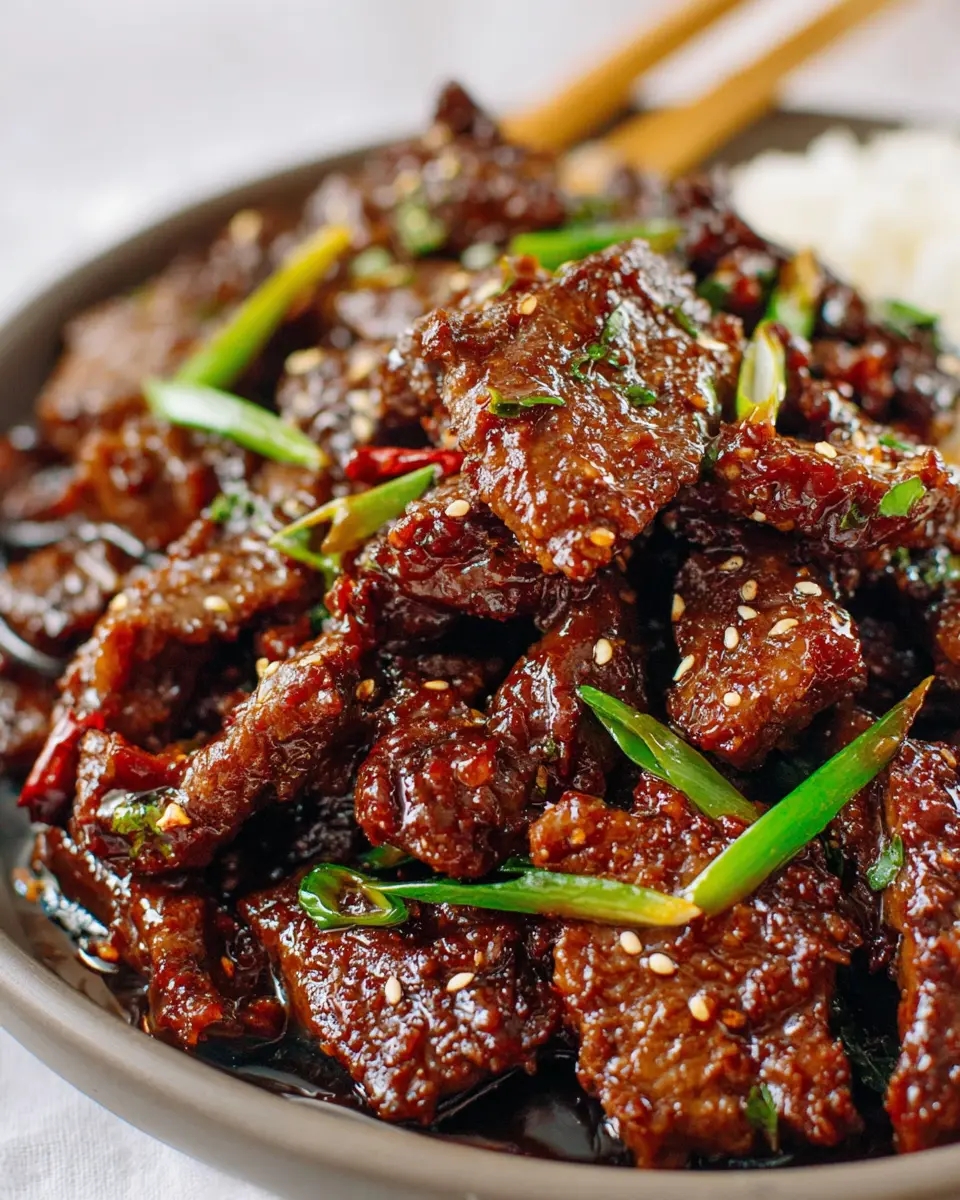
Serving suggestions for Mongolian Beef
Pairing with rice or noodles
Mongolian beef is wonderfully versatile, and it shines when paired with a bed of fluffy white rice or savory noodles. The sauce clings perfectly to both, allowing every bite to be a delicious experience. For a fun twist, try using fried rice or udon noodles. These richer textures add depth to the dish and allow you to get creative.
Adding a side of vegetables
To balance out the richness of Mongolian beef, consider adding a colorful side of stir-fried or steamed vegetables. Broccoli, bell peppers, and snap peas work incredibly well, introducing a fresh crunch that complements the beef. Not only does this add nutrient value, but it also makes for a more visually appealing meal! For a real treat, drizzle some soy sauce over the veggies for an extra punch of flavor.
Don't forget that adding those veggies not only enhances taste but also brings a beautiful pop of color to your plate. Happy cooking!
Time Breakdown for Mongolian Beef
Preparation Time
To get started, you'll need about 10 minutes to gather and prepare all your ingredients, along with marinating your flank steak. This step is crucial, as it enhances the flavor and tenderness of the beef.
Cooking Time
Once your beef is marinated, the cooking process takes roughly 20 minutes. This includes searing the meat and whipping up the delicious sauce, allowing the dish to come together quickly.
Total Time
In total, you’re looking at approximately 1 hour and 30 minutes. This includes the marinating time and cooking time, making it a perfect weeknight meal that impresses without demanding all your time.
Want to learn more about flank steak or how to make the best out of the marinade? Check out this guide on selecting beef cuts for insider tips!
Nutritional Facts for Mongolian Beef
Understanding the nutritional profile of your favorite dishes is essential, especially when preparing Mongolian beef. Here’s a quick overview:
Calories
A typical serving of Mongolian beef contains about 383 calories, making it a satisfying option that won’t break your calorie bank.
Protein
Packed with approximately 26 grams of protein per serving, Mongolian beef is a fantastic choice for muscle repair and growth. This makes it ideal for those with active lifestyles!
Sodium
While delicious, this dish can be higher in sodium, with about 960mg per serving. If you’re watching your sodium intake, consider adjusting your soy sauce or using low-sodium alternatives.
By keeping these nutritional facts in mind, you can enjoy your Mongolian beef while balancing your dietary needs! For more detailed nutritional insights, check out Healthline and USDA.
FAQs about Mongolian Beef
Can I make Mongolian beef ahead of time?
Absolutely! You can prepare the Mongolian beef marinade and even cook the dish a day in advance. Store the cooked dish in the refrigerator, and when you're ready to serve, just reheat it on the stovetop. The flavors get even better overnight, making it a perfect meal prep option for busy weeknights.
What are some common mistakes to avoid?
Avoid using tough cuts of meat; flank steak is ideal for this dish due to its tenderness. Also, ensure you don't overcrowd the wok while searing—working in batches helps achieve that perfect crispy texture. Lastly, keep an eye on the sauce; it should be thick enough to cling to the meat, but not too thick that it resembles glue.
How can I customize the spice level?
To adjust the spice level of your Mongolian beef, consider adding or reducing dried red chili peppers. Breaking a few in half will release more heat, while leaving them whole will keep it milder. Additionally, you can incorporate a drizzle of chili oil for a flavorful kick without overwhelming the dish.
Conclusion on Mongolian Beef
In summary, Mongolian beef is a delightful dish that combines rich flavors and textures, making it a favorite among many. With its savory sauce and tender beef, it's perfect for any weeknight dinner or special occasion. Give this recipe a try, and experience a taste of home-cooked comfort that elevates everyday meals. Whether served over steamed rice or with vegetables, it promises to impress!
Mongolian Beef
Equipment
- Wok
- Cutting board
- Knife
- mixing bowl
- Measuring Cups
- Measuring Spoons
Ingredients
For marinating the beef
- 1 pound flank steak sliced against the grain into ¼-inch/6mm thick slices
- 2 teaspoons neutral oil such as vegetable, canola, or avocado oil
- 2 teaspoons Shaoxing wine or dry cooking sherry, optional
- 1 teaspoon soy sauce
- 1 tablespoon cornstarch
- 1 tablespoon water
- ¼ teaspoon baking soda
For the sauce
- ¼ cup light brown sugar
- ¾ cup hot water or hot low sodium chicken or beef stock
- ¼ cup soy sauce
- 1 teaspoon dark soy sauce optional
For coating and searing the beef
- ½ cup cornstarch
- ⅔ cup neutral oil
For the rest of the dish
- 1 teaspoon ginger minced
- 8 pieces dried red chili peppers optional
- 3 cloves garlic finely chopped
- 4 pieces scallions white and green parts separated, cut on the diagonal into 2-inch/5cm pieces
- 1 ½ tablespoons cornstarch mixed with 2 tablespoons/30ml water to make a slurry
Instructions
Instructions
- Combine the sliced beef with the marinade ingredients (the neutral oil, Shaoxing wine, light soy sauce, cornstarch, water, and baking soda). Marinate for 1 hour. The beef should still be quite moist after it has marinated. If it looks too dry, add a tablespoon of water to it.
- In a small bowl, mix the sauce. Dissolve the brown sugar in the hot water or stock, then stir in the light and dark soy sauces.
- Next, dredge the marinated beef slices in the cornstarch until thoroughly coated.
- Heat ⅔ cup neutral oil in a wok over high heat. Just before the oil starts to smoke, spread the flank steak pieces evenly in the wok, and sear for 1 minute on each side, until you have a crispy coating. Turn off the heat and transfer the beef to a plate.
- Drain the oil from the wok (save it for other cooking), leaving 1 tablespoon behind. Turn the heat to medium-high. Add the ginger and dried chili peppers, if using. If you want the dish spicier, break 1-2 chilies in half. After about 15 seconds, add the garlic and white parts of the scallions. Stir for another 15 seconds and add the premixed sauce.
- Let the sauce simmer for about 2 minutes, and slowly stir in the cornstarch slurry mixture. Cook until the sauce has thickened enough to coat the back of a spoon.
- Add the beef and green parts of the scallions, and toss everything together for another 30 seconds. The scallions should just be wilted, and there should be almost no liquid, as the sauce should be clinging to the beef. If you still have sauce, increase the heat slightly and stir until thickened. Plate and serve with steamed rice!


Leave a Reply