
Introduction to Sautéed Vegetables
Sautéed vegetables are a vibrant and flavorful way to incorporate healthful ingredients into your meals. Whether you're seeking a quick side dish or a hearty addition to your main course, sautéing allows you to bring out the natural flavors of your favorite veggies while keeping their nutrients intact. This cooking method not only preserves the vibrant colors but also enhances taste, making it easier to enjoy veggies in your daily diet.
Why Sautéed Vegetables are a Healthy Choice
Sautéed vegetables are a fantastic choice for several reasons. First and foremost, they are packed with essential vitamins and minerals, providing a nutrient-dense addition to any meal. According to the USDA, vegetables are crucial for a balanced diet, helping to reduce the risk of chronic diseases. Plus, by using heart-healthy fats like olive oil, you can keep your meal nutritious without sacrificing flavor.
Another benefit of sautéed vegetables is their quick cooking time. Being able to whip up a delicious, healthy dish in under 20 minutes fits perfectly into the busy lives of young professionals. You can mix and match your favorite veggies, such as broccoli, bell peppers, and mushrooms, to create a medley that suits both your taste buds and nutritional needs. For more information about the benefits of vegetables, check out resources from the American Heart Association.
With sautéed vegetables, you can easily transform everyday ingredients into something truly delightful!
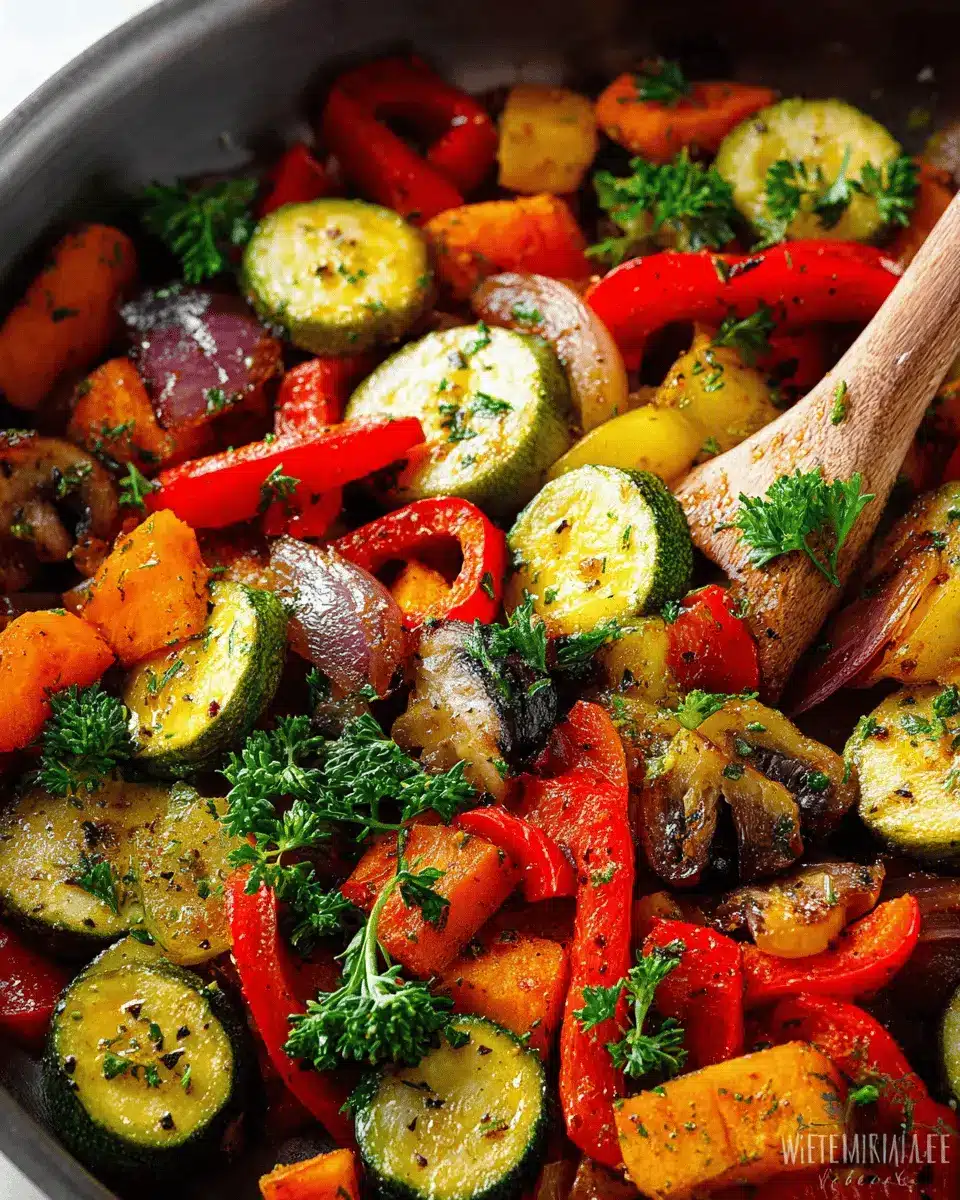
Ingredients for Sautéed Vegetables
Essential Ingredients for the Perfect Sauté
To create the perfect sautéed vegetables, you’ll want a colorful array of fresh produce. Here are the must-haves:
- 2 tablespoon Olive oil: The foundation for flavor and helps achieve that golden, crispy texture.
- ½ large Red onion: Adds a sweet and savory kick; just slice it into bite-sized pieces.
- 2 medium Carrots: Their natural sweetness brings balance, so slice them thin for even cooking.
- 1 large Red bell pepper: This bright veggie adds color and crunch.
- 1 cup Broccoli florets: Packed with vitamins, it pairs beautifully with other veggies.
- 1 cup Cauliflower florets: This versatile ingredient blends well and adds heartiness.
- 1 cup Cremini mushrooms: Earthy and rich, mushrooms elevate the overall flavor.
- 1 medium Zucchini: Its tender texture rounds out the mix.
Optional Ingredients for Customization
Feel free to get creative! Here are a few optional ingredients to personalize your sauté:
- Garlic (2 cloves): For an aromatic boost, minced garlic goes a long way.
- Herbs: Fresh parsley or basil can enhance flavor and presentation.
- Spices: Sprinkle in some red pepper flakes for heat or balsamic vinegar for tang.
- Additional veggies: Feel free to add snap peas, asparagus, or even a handful of spinach.
By mixing these essential and optional ingredients, you can whip up a delightful plate of sautéed vegetables bursting with flavor and nutrition!
Preparing Sautéed Vegetables
Sautéed vegetables can transform your meal from ordinary to extraordinary with just a few simple steps! Perfect as a side dish or a great addition to your main course, sautéed veggies are a delicious and nutritious way to enjoy your favorite produce. Let’s dive into the preparation process!
Gather Your Ingredients
Before you start cooking, it’s essential to gather everything you need. Here’s what you’ll require:
- 2 tablespoon Olive oil
- ½ large Red onion (cut into 1-inch pieces)
- 2 medium Carrots (sliced thinly)
- 1 large Red bell pepper (cut into strips)
- 1 cup Broccoli (cut into florets)
- 1 cup Cauliflower (cut into florets)
- 1 cup Cremini mushrooms (sliced)
- 1 medium Zucchini (sliced)
- 2 tablespoon Unsalted butter
- 2 cloves Garlic (minced)
- Sea salt and black pepper to taste
- Fresh parsley (optional, for garnish)
Prepping the Vegetables
Now that you have your ingredients, it’s time to get those vegetables ready for cooking! Start by washing all your fresh produce thoroughly. While preparing, make sure to slice and chop your vegetables into uniformly sized pieces. This ensures they cook evenly, helping you achieve that delightful crisp-tender texture everyone loves in sautéed vegetables. Remember, a sharp knife will make your chopping much easier and safer!
Heating the Oil
Next, head to the stove! Grab a large skillet (12-inch works best) and pour in the olive oil. Heat it over medium-high heat until it’s shimmering. This indicates that the oil is hot enough for sautéing. A well-heated pan is crucial; it helps to sear the vegetables and locks in their natural flavors. If you’re unsure, you can always drop a tiny piece of onion in the oil as a test—if it sizzles, you’re good to go!
Cooking the Vegetables
Begin by adding the harder veggies first, like carrots and red onion. Cook them for about 5-7 minutes, stirring occasionally. Once they start to soften, introduce the other vegetables, like bell pepper and broccoli. Continue to sauté everything for another 6-8 minutes until they’re just tender and starting to brown. Here’s a tip: don’t stir too frequently! Let them sit a bit to allow natural browning, which adds flavor.
Adding Flavor with Garlic and Butter
Ah, the finishing touch! When your vegetables are nearly done, reduce the heat to medium-low. Push the veggies to the side and make room in the center of the skillet. Add the butter and minced garlic, allowing the butter to melt and the garlic to become aromatic—about a minute should do the trick. Finally, mix everything together, season with sea salt and black pepper, and give a gentle stir to combine. If you'd like to elevate the flavors further, toss in some fresh parsley as a delightful garnish.
Now you have a stunning dish of sautéed vegetables, bursting with color and flavor! Enjoy this dish alongside any meal, or simply on its own as a light, healthy treat. This recipe is versatile, so feel free to experiment with different vegetables based on what you have on hand. Happy cooking!
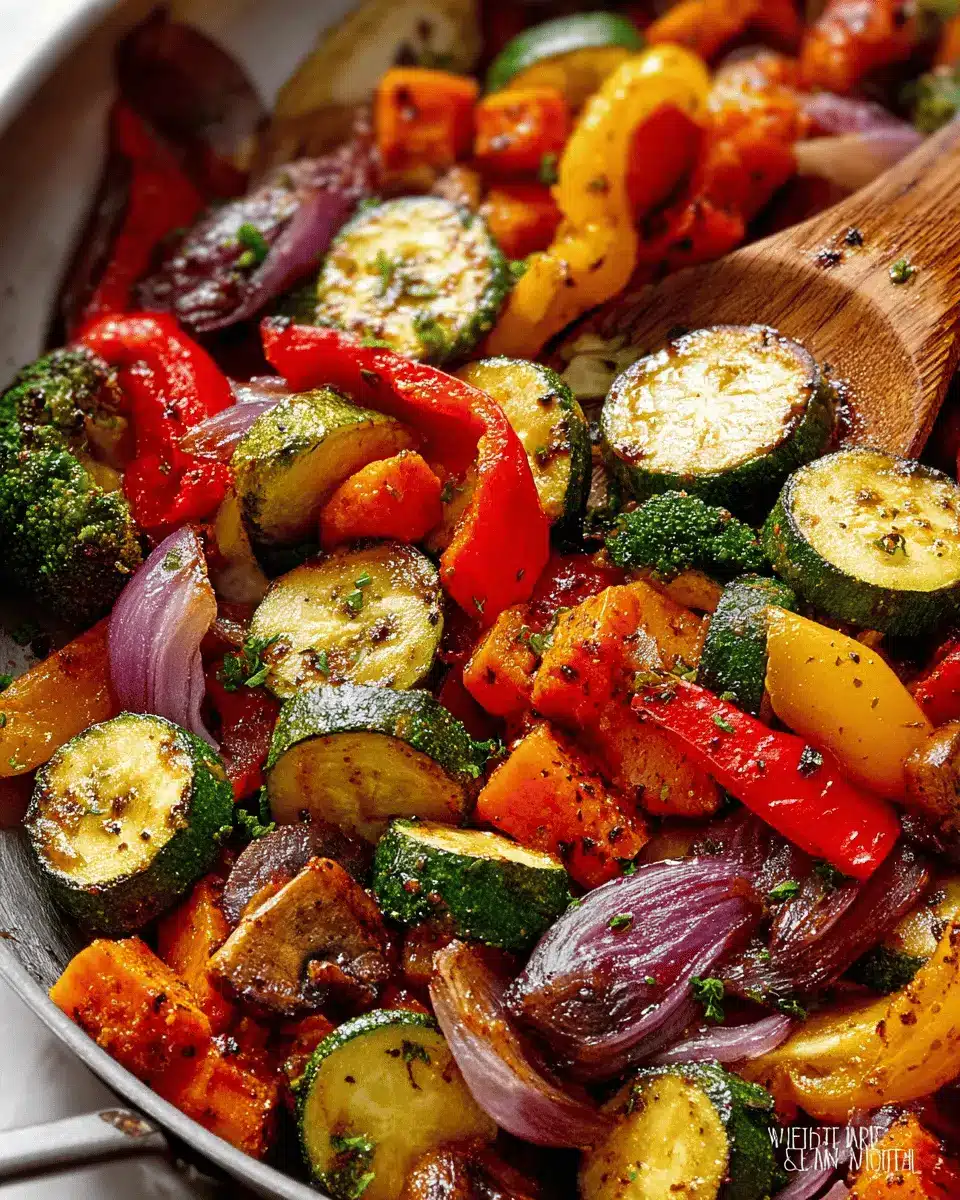
Variations on Sautéed Vegetables
Asian-inspired sautéed veggies
Give your sautéed vegetables an exciting twist by incorporating Asian flavors. Start with sesame oil instead of olive oil for a rich base, and add soy sauce, ginger, and a sprinkle of sesame seeds during the cooking process. Veggies like bok choy, snap peas, or bell peppers come alive when tossed in this savory concoction. For an extra layer of flavor, throw in some sliced green onions or a dash of chili flakes. This combo not only tantalizes the taste buds but also brings a vibrant splash of color to your plate.
Mediterranean-style sautéed vegetables
If you lean more towards a Mediterranean flair, consider using olive oil and enhancing your sautéed vegetables with garlic, lemon juice, and oregano. Bell peppers, zucchini, and eggplant are perfect choices here, sautéed until they’re tender and flavorful. For added protein, toss in some chickpeas or feta cheese at the end. The freshness of ingredients like parsley or basil will elevate your dish, making it not just a side but a delightful centerpiece. This variation pairs brilliantly with grilled chicken or as part of a warm grain salad, offering both health and flavor in every bite.
With these variations, you can easily customize your sautéed vegetables to suit your taste or to match different cuisines. Happy cooking!
Cooking Tips and Notes for Sautéed Vegetables
Best Practices for Sautéing
Sautéed vegetables shine when cooked with the right techniques. Begin by heating your skillet until hot, ensuring the oil shimmers. This preheating helps achieve that lovely caramelization, enhancing flavor. Use a mix of textures—cut vegetables into similar sizes for even cooking. Remember, patience is key; let those veggies develop color without constant stirring for optimal results.
Tips for Achieving the Perfect Texture
To get that perfectly crisp-tender texture, cook heartier vegetables like carrots and broccoli longer, while adding quicker-cooking ones like zucchini later. For a rich flavor boost, always finish off with fresh garlic and a touch of melted butter. Don’t forget to season with salt and pepper to elevate your sautéed vegetables! Curious about specific veggie tips? Check out this guide for more information!
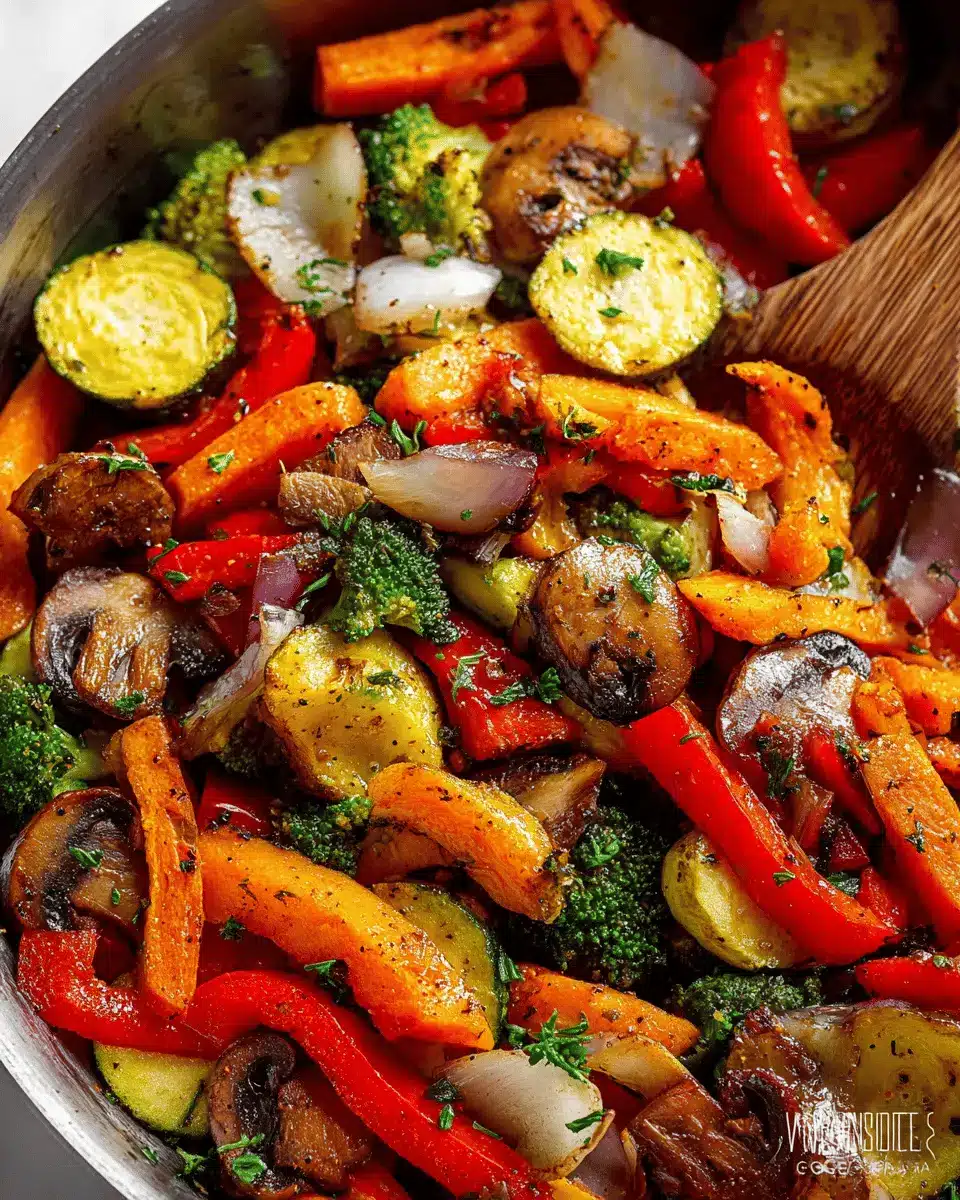
Serving suggestions for Sautéed Vegetables
Pairing with proteins
Sautéed vegetables are incredibly versatile and can complement various proteins beautifully. Think grilled chicken, deterring from the typical, you can also try some savory turkey bacon or chicken ham for extra flavor. For a plant-based option, toss in some chickpeas or serve over quinoa for a hearty meal. The bright colors and textures of your sautéed veggies will not only look appealing but will also add nutritional benefits, making your plate both delicious and visually stunning.
Incorporating into other dishes
Don't be afraid to get creative with your sautéed vegetables! They make an excellent addition to stir-fries, omelets, or grain bowls. You can even fold them into fresh pasta for a quick and healthy weeknight dinner. Consider adding them to soups or salads as a tasty topping. There are endless possibilities, so let your culinary imagination run wild! For more inspiration, check out this guide on vegetable pairings.
Time Breakdown for Sautéed Vegetables
Preparation Time
Getting everything ready for your sautéed vegetables is a breeze! You’ll need about 10 minutes to chop the veggies and gather your ingredients.
Cooking Time
Cooking these vibrant veggies takes roughly 15 minutes. The result? A delicious medley that’s sure to brighten up any meal.
Total Time
So, in just 25 minutes, you can have a beautiful and healthy dish on the table. Ready to impress your friends and family? Dive into the full recipe and savor the flavors of perfectly sautéed vegetables!
Nutritional Facts for Sautéed Vegetables
Calories per Serving
Enjoy a generous serving of sautéed vegetables for just 134 calories. This makes it an ideal side dish for those looking to maintain a balanced diet without sacrificing flavor.
Key Nutrients
These colorful veggies bring more than just great taste to your plate. Packed with essential nutrients, each serving includes:
- Fat: 10.4g (healthy fats from olive oil and butter)
- Protein: 2.6g
- Total Carbohydrates: 9.9g
- Net Carbs: 6.9g
- Fiber: 3g
- Sugar: 5g (naturally occurring from vegetables)
Incorporate these vibrant veggies into your meals for a nutrient boost! Fresh produce not only adds color but can also improve your overall health. For more insights into the benefits of eating vegetables, check out Healthline's nutrition articles.
FAQs about Sautéed Vegetables
What vegetables are best for sautéing?
When it comes to sautéed vegetables, the best choices are those that cook evenly and develop great flavor through caramelization. Popular options include:
- Bell peppers: Sweet and colorful.
- Carrots: Add a natural sweetness.
- Broccoli and cauliflower: They hold up well and offer a nice crunch.
- Zucchini and squash: Cook quickly and absorb flavors.
- Mushrooms: Great for umami richness.
For a medley, mix different textures and colors for visual appeal and taste!
Can I use frozen vegetables?
Absolutely! Frozen vegetables are a great option for sautéing. Just remember to thaw them and drain any excess water to prevent steaming. They may not have the same crispness as fresh, but they still pack a nutritional punch. For more tips on this, check out sources like Healthline.
How do I store leftover sautéed vegetables?
To store your sautéed vegetables properly, let them cool to room temperature before placing them in an airtight container. They can last in the fridge for about 3-5 days. If you want to keep them longer, consider freezing them. Just be sure to reheat gently to maintain flavor and texture!
Conclusion on Sautéed Vegetables
Sautéed vegetables make a delightful side dish that’s quick and versatile! With endless combinations of colorful veggies, you can easily customize flavors to suit your taste. Enjoy them as a healthy addition to any meal, or on their own for a simple yet satisfying dish. Happy sautéing!
Sauteed Vegetables
Equipment
- large skillet
Ingredients
- 2 tablespoon Olive oil
- ½ large Red onion cut into 1-inch pieces, layers separated
- 2 medium Carrots sliced thinly
- 1 large Red bell pepper cut into strips
- 1 cup Broccoli cut into medium florets
- 1 cup Cauliflower cut into medium florets
- 1 cup Cremini mushrooms sliced
- 1 medium Zucchini sliced ¼ inch thick
- 2 tablespoon Unsalted butter
- 2 cloves Garlic minced
- ½ teaspoon Sea salt to taste
- ¼ teaspoon Black pepper to taste
- Fresh parsley optional, for garnish
Instructions
- Heat olive oil in a large (12-inch) skillet over medium-high heat, until shimmering.
- Add the carrots and onions. Cook for 5-7 minutes, stirring occasionally until softened.
- Add bell peppers, broccoli, cauliflower, mushrooms, and zucchini. Cook for 6-8 minutes, stirring occasionally until just barely crisp tender and starting to brown.
- Reduce heat to medium-low. Push the veggies to the sides, add butter and wait for it to melt. Add minced garlic to the butter and sauté for about 1 minute until fragrant.
- Stir everything together and remove from heat. Season with salt and pepper to taste. Garnish with fresh parsley if desired.


Leave a Reply