
Introduction to Sticky Rice with Mango
Sticky Rice with Mango, also known as "Khao Niew Mamuang," is a delightful Thai dessert that has captured hearts—and taste buds—around the world. This charming dish features tender, sweet glutinous rice drizzled with rich coconut milk, paired with luscious slices of ripe mango. The harmony of flavors and textures creates an unforgettable experience that embodies the essence of Thai culinary tradition.
Why is Sticky Rice with Mango a beloved treat? For starters, it’s a beautiful balance of sweet and salty, thanks to the creamy coconut milk seasoned with a hint of salt. If you’ve ever had the pleasure of savoring this dish at a street market in Thailand or a cozy café, you know just how comforting it can be. According to Thai Food Hall, this classic dessert not only tantalizes your taste buds but also evokes feelings of nostalgia and warmth, reminiscent of family gatherings and special occasions.
Whether it’s a warm evening or a casual get-together, serving sticky rice with mango is bound to impress your guests and elevate any meal. Plus, it’s surprisingly easy to make at home, allowing you to bring a taste of Thailand into your own kitchen. So, are you ready to dive into this delicious recipe? Let’s get started!
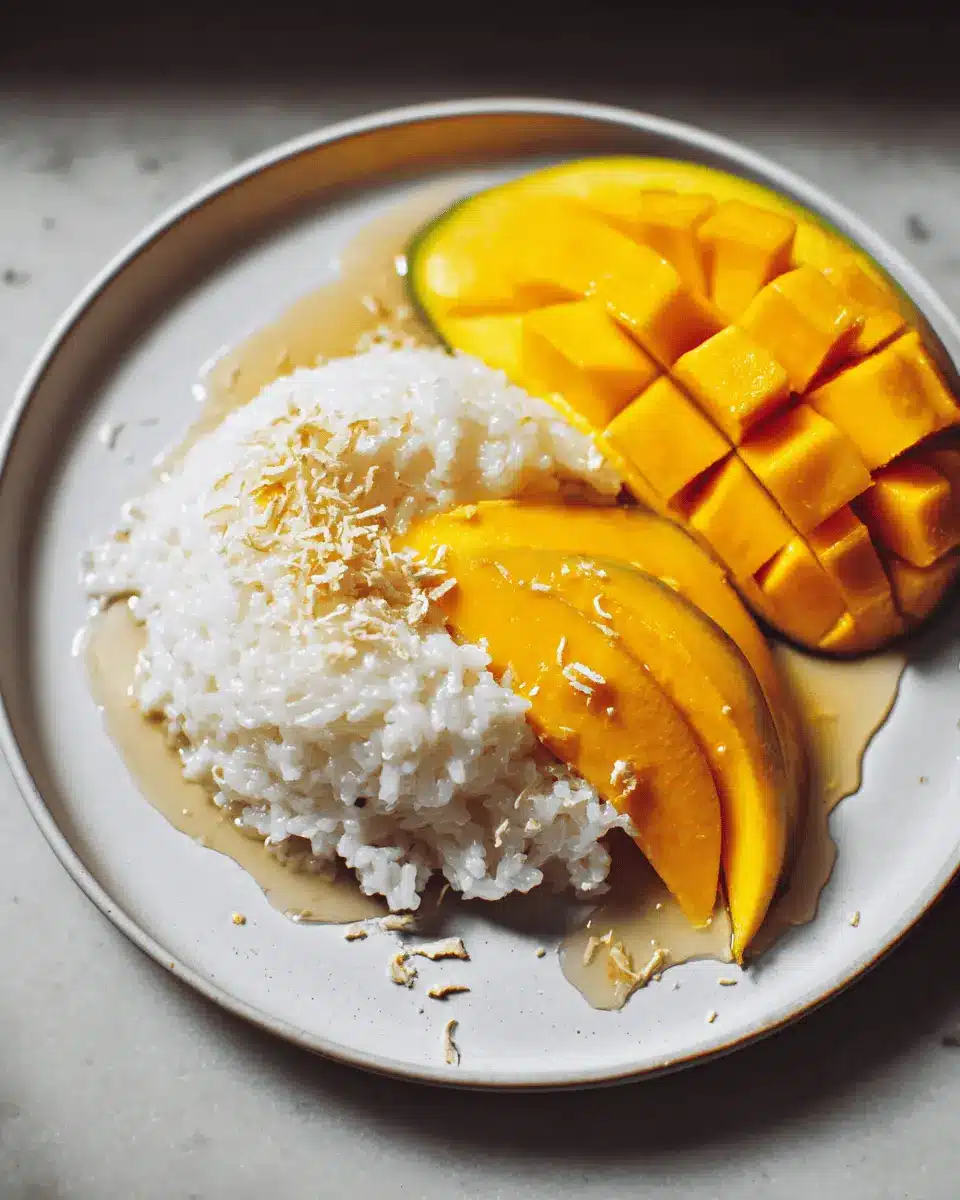
Ingredients for Sticky Rice with Mango
Creating the perfect sticky rice with mango is all about the right selection of ingredients. Here’s what you’ll need to whip up this delicious dish:
-
1½ cups glutinous rice: This is the key player for that sought-after sticky texture. Make sure to use glutinous rice rather than regular white rice for authentic results.
-
1⅓ cups well-stirred canned unsweetened coconut milk, divided: Coconut milk adds a rich flavor, making the dish indulgently creamy. It's essential to stir well before measuring.
-
⅓ cup (67 g) plus 3 Tbsp. granulated sugar, divided: This will sweeten the coconut mixture and enhance the flavor of the sticky rice.
-
¼ tsp. kosher salt: A pinch of salt balances the flavors, bringing out the sweetness.
-
1 Tbsp. sesame seeds, toasted lightly: These add a delightful crunch and nutty flavor once sprinkled on top.
-
1 large mango, peeled, pitted, and cut into thin slices: Choose a ripe mango for a refreshing contrast to the rich rice.
By gathering these ingredients, you're setting yourself on the right path to enjoying a quintessential Thai dessert. For tips on selecting the best mango, check out this handy guide. Happy cooking!
Step-by-step Preparation for Sticky Rice with Mango
Preparing sticky rice with mango is a delightful venture that yields a delicious result. Follow these steps to create a masterpiece that will impress friends and family alike!
Rinse and Soak the Glutinous Rice
Start by measuring out 1½ cups of glutinous rice. This specific type of rice is essential for achieving that beautiful sticky texture. Place the rice in a fine-mesh sieve and rinse it under cold running water. Keep rinsing until the water runs clear; this helps remove excess starch and prevents the rice from becoming overly gummy.
Once rinsed, transfer the rice to a medium bowl and cover it with cold water. You should have at least an inch of water above the rice. For best results, let it soak overnight. This soaking period allows the grains to hydrate properly, ensuring they cook evenly.
Steam the Rice to Perfect Tenderness
After soaking, it’s time to drain the rice well in your fine-mesh sieve. Set the sieve over a large deep saucepan filled with simmering water—just make sure the sieve doesn’t touch the water itself. Cover the setup with both a kitchen towel and a lid. Why the towel, you ask? It helps lock in steam while also preventing any water from dripping down onto the burner.
Steam the rice for about 30-40 minutes, occasionally checking the water level in the pan. You’ll know it’s perfectly tender when the grains become translucent and have a chewy texture.
Create the Sweet Coconut Sauce
While your rice is steaming, seize the opportunity to make a delicious coconut sauce. In a small saucepan, combine 1 cup of well-stirred canned unsweetened coconut milk, ⅓ cup of granulated sugar, and ¼ tsp. of kosher salt. Bring this mixture to a boil over medium heat while stirring regularly. Keep an eye on it until the sugar fully dissolves, then remove it from heat. It’s a simple yet critical step that elevates your sticky rice with mango to heavenly heights.
Combine the Rice and Coconut Sauce
Once your rice is ready, transfer it to a large bowl and pour about ⅔ of the warm coconut sauce over it. Gently mix until the rice is well-coated; this will infuse it with flavor. Let it sit for about 10-15 minutes to really absorb that decadent coconut goodness. Trust me, you’ll want every bite to be bursting with flavor!
Plate the Dish with Mango
To serve, scoop a generous portion of the coconut-infused sticky rice onto individual plates. Then, arrange beautifully sliced mango on the side. Drizzle the remaining coconut sauce over the top for an irresistibly elegant finish. If you want to add a little flair, consider sprinkling toasted sesame seeds over the dish for extra crunch and flavor.
And there you have it! Your homemade sticky rice with mango is ready to be enjoyed. Perfect for a warm evening or a special celebration, this dish is a true crowd-pleaser that showcases the charm of Thai cuisine. Enjoy every bite! For more tips on tropical dishes, check out Serious Eats or BBC Good Food for inspiration.
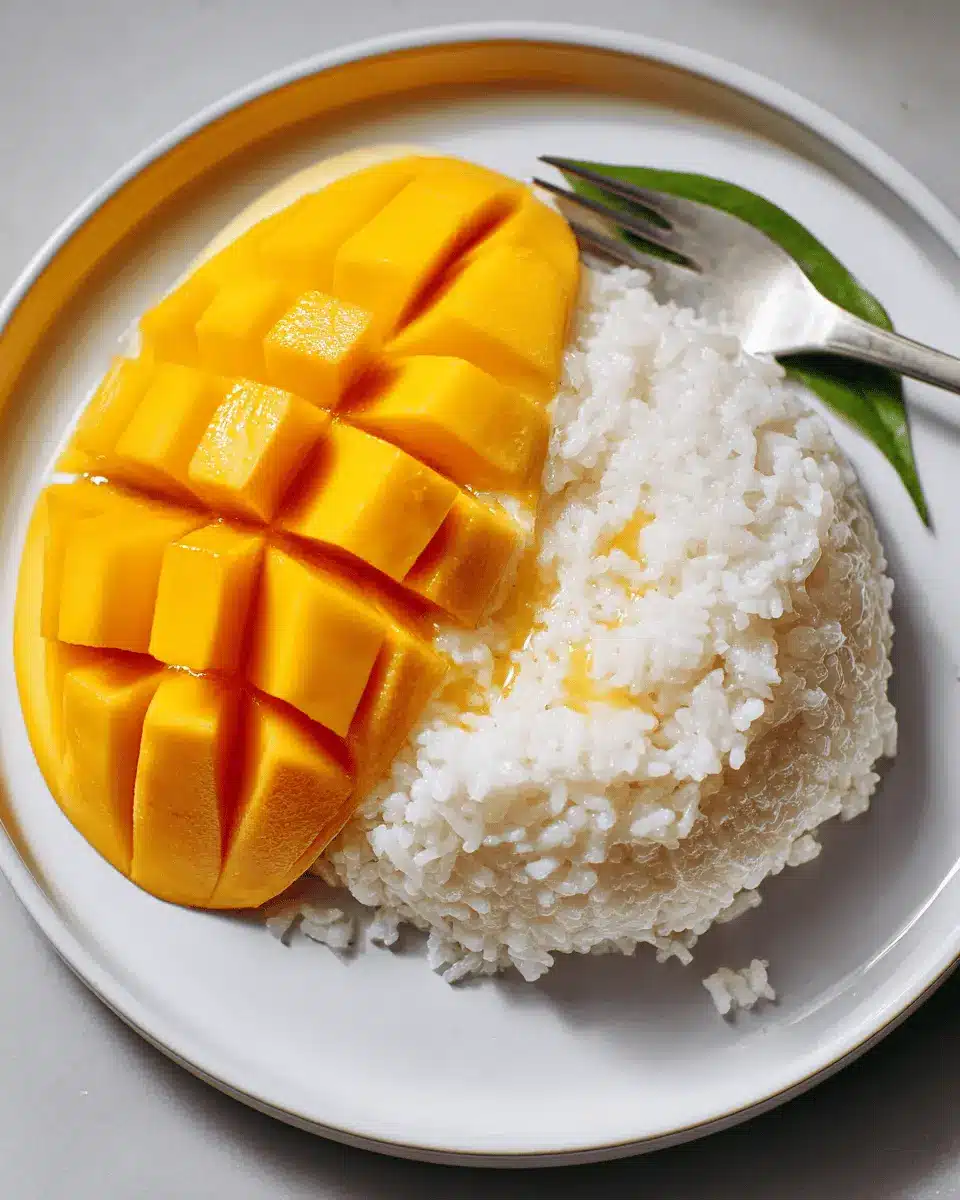
Variations on Sticky Rice with Mango
Adding Different Fruits
While the classic combination of sticky rice with mango is hard to beat, don't hesitate to explore seasonal fruits! Consider adding sliced ripe strawberries or juicy peaches for a refreshing twist. If you're feeling adventurous, try pairing your sticky rice with grilled pineapple or even roasted bananas, enhancing sweetness and adding depth to your dish. Each fruit brings its unique flavor and texture, making your dessert ever-changing and exciting!
Experimenting with Flavors in the Sauce
The luscious coconut sauce is key to the magic of sticky rice with mango, but why not switch it up? Infuse your sauce with a touch of pandan leaves for an aromatic twist, or add a hint of ginger for a warm, spicy layer. For those who love a zesty kick, a splash of lime juice can brighten the flavors beautifully. Explore different combinations to elevate your dish and create a signature flavor that friends and family will love!
For more insights and recipes incorporating tropical fruits, check out resources like the Tropical Fruit Society.
Cooking Tips and Notes for Sticky Rice with Mango
When making sticky rice with mango, a few insights can elevate your dish to perfection:
- Short Grain Glutinous Rice is your best friend. The texture is key, so seek rice labeled specifically for sticky rice or sweet rice; it's essential for that signature chewiness.
- Soaking is crucial. Letting the rice chill overnight allows it to absorb water, improving texture when steaming. If you're short on time, a few hours can suffice but may not yield the same results.
- Customize the coconut sauce. Feel free to adjust sugar and salt to your taste. Some prefer a sweeter sauce, while others may opt for a savory touch.
Pair your sticky rice with mango with a sprinkle of toasted sesame seeds for a delightful crunch and consider exploring additional toppings like mung beans or coconut flakes for extra flair. For more about the benefits of glutinous rice, check out this article.
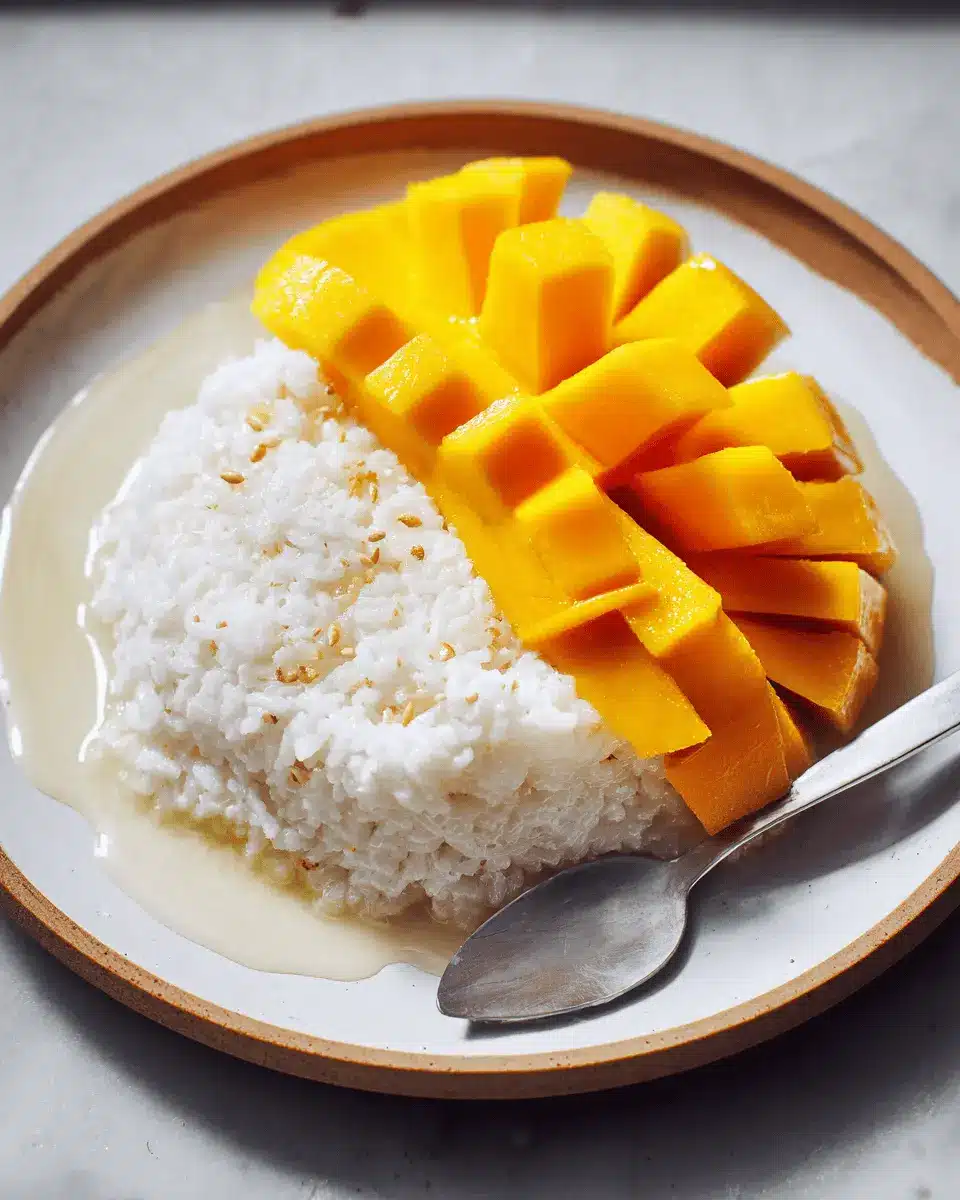
Serving Suggestions for Sticky Rice with Mango
When it comes to enjoying sticky rice with mango, presentation and pairing can elevate your dining experience. Here are some delightful serving suggestions that are sure to impress!
Perfect Pairings
- With Coconut Sauce: Drizzle the warm coconut milk mixture over the sticky rice to enhance its rich, creamy flavor.
- Tropical Fruits: Serve alongside other tropical fruits like pineapple or rambutan to add a vibrant touch to your plate.
Add a Crunch
- Toasted Nuts: Sprinkle some toasted sesame seeds or crushed peanuts for added texture and a nutty flavor contrast.
Serving Style
Present your sticky rice in small bowls for a charming, intimate setting, or arrange it on a platter for a festive gathering. To delve deeper into the cultural significance of this dish, you can check out resources like Thai cuisine details that explore the traditional backgrounds of these beloved flavors.
Experiment with these suggestions and discover your favorite way to enjoy sticky rice with mango!
Time Breakdown for Sticky Rice with Mango
Preparation time
To kick things off, you'll need about 30 minutes to prepare everything. This includes rinsing and soaking the glutinous rice overnight, which is key for that perfect chewy texture.
Cooking time
The cooking process takes around 30–40 minutes. Steaming the rice gently allows it to absorb all those lovely flavors from the coconut milk.
Total time
In total, you're looking at about 8–12 hours, factoring in the overnight soaking plus the cooking time. This dish is well worth the wait, delivering end results that are simply divine!
For more tips on crafting the perfect sticky rice with mango, check out this guide for variations and expert insights.
Nutritional Facts for Sticky Rice with Mango
Calories
Enjoying a serving of sticky rice with mango packs about 300-350 calories. This delightful dish provides a satisfying treat without overwhelming your daily caloric intake, making it perfect for a dessert or snack.
Carbohydrates
This delightful dessert is primarily composed of carbohydrates, with approximately 70-80 grams per serving. While this might sound high, these carbs primarily come from the glutinous rice, providing you with a quick energy boost.
Sugar Content
In terms of sweetness, sticky rice with mango contains around 25 grams of sugar per serving. Much of this sweetness is derived from the added sugar and the natural sugars in the mango, creating a blissfully balanced flavor profile. For more information on sugar consumption guidelines, you can read about it on Healthline.
Whether you’re satisfying a sweet craving or looking to impress at your next gathering, understanding the nutritional report can help you enjoy sticky rice with mango in moderation.
FAQs about Sticky Rice with Mango
Can I make sticky rice without glutinous rice?
While it’s best to use glutinous rice for an authentic sticky rice with mango experience, you can try using short-grain rice as a substitute. However, the texture will differ; stickiness is primarily due to the high starch content in glutinous rice. For a traditional taste, I recommend sticking with glutinous rice!
How do I store leftover sticky rice?
If you have leftover sticky rice, it’s simple to store! Place it in an airtight container and store it in the refrigerator for up to a week. To reheat, sprinkle a bit of water over the rice and microwave it, or steam it for the best texture. This keeps your sticky rice with mango soft and delicious.
What dishes can I serve with sticky rice?
Sticky rice can complement many dishes. Pair it with savory curries, grilled meats, or even fresh fruits for a delightful contrast. A sweet drizzle of coconut milk on top, alongside ripe mango slices, creates a harmonious finish. For meal ideas, check out Food Network's recipe section for inspiration!
Conclusion on Sticky Rice with Mango
In conclusion, sticky rice with mango is more than just a dessert; it’s a delightful experience that combines sweet, creamy, and tropical flavors. Preparing this dish is easy and satisfying, making it perfect for any occasion. Enjoy every bite while savoring its simplicity and richness!
For more delightful recipes, explore Serious Eats or Bon Appétit for tips on creating delicious Asian-inspired treats!
Sticky Rice With Mango
Equipment
- Fine mesh sieve
- Medium bowl
- large deep saucepan
- Small saucepan
- kitchen towel
Ingredients
- 1.5 cups glutinous rice
- 1.33 cups well-stirred canned unsweetened coconut milk divided
- 0.33 cups granulated sugar plus 3 Tbsp., divided
- 0.25 teaspoon kosher salt
- 1 tablespoon sesame seeds toasted lightly
- 1 large mango peeled, pitted, and cut into thin slices
Instructions
- Rinse 1½ cups glutinous rice in a fine-mesh sieve under cold running water until water runs clear; transfer rice to medium bowl, fill with cold water to cover by 1", and chill overnight.
- Drain rice well in a fine-mesh sieve. Set sieve over a large deep saucepan of simmering water (sieve should not touch water). Cover with a kitchen towel and lid and steam rice 30–40 minutes, or until tender.
- While rice is cooking, bring 1 cup well-stirred canned unsweetened coconut milk, ⅓ cup granulated sugar, and ¼ teaspoon kosher salt to a boil in a small saucepan, stirring regularly, until sugar is dissolved. Remove from heat and keep mixture warm.




Leave a Reply